






Which truck rides smoother on I-35 — the 2026 Ram 1500 or the 2026 Ford F-150 for Austin, TX drivers?
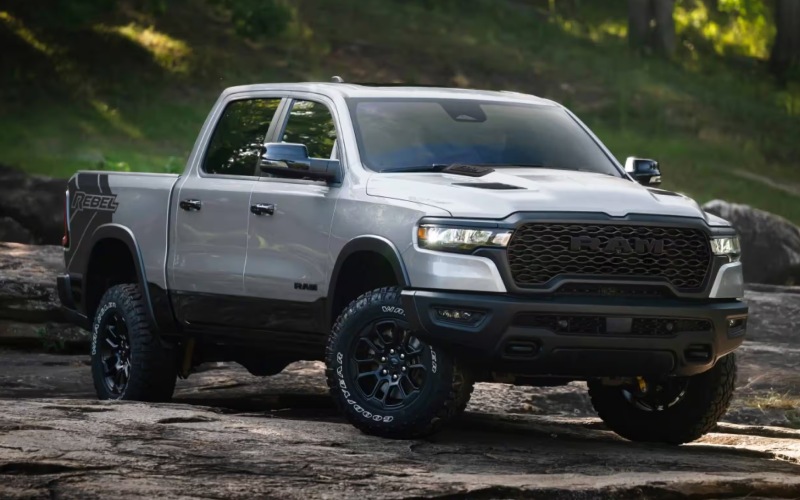
Ancira Ram – Which truck rides smoother on I-35 — the 2026 Ram 1500 or the 2026 Ford F-150 for Austin, TX drivers?
Ride quality is a top question for half-ton shoppers balancing weekday miles with weekend gear, and it’s especially relevant on Austin’s mix of fresh asphalt, patched sections, and construction zones. If you’re comparing the 2026 Ram 1500 against the 2026 Ford F-150 with comfort in mind, the suspension hardware and cabin tuning are where the big differences live. Here’s what to know before you choose.
Why does ride comfort vary so much between these two trucks
Engine options and tire choices matter, but the core ride signature starts with the rear suspension design. Ram uses a five-link coil-spring rear suspension across the 1500 lineup, which is tuned for better bump absorption and less head-toss over choppy sections. Ford sticks with a traditional leaf-spring setup that’s excellent for payload but is typically more reactive to sharp impacts. The difference is most noticeable at everyday speeds when you’re running South Congress, hopping on MoPac, or rolling north on I-35 toward Round Rock. Over repetitive joints and uneven patches, the Ram tends to settle quickly and feel more composed.
That said, Ford offers a wide range of configurations that can change ride feel—wheel and tire packages, off-road trims, and damper tuning all play a role. If you sample a Ford Tremor® or Raptor®, you’ll notice additional off-road-focused control, while Ram Rebel® models deliver a similarly confident stance and grip with their own suspension tuning and tires. Your use case—primarily commuting, frequent towing, or ranch roads—should guide your test drive choices.
Cabin calm: the second half of ride comfort
Comfort isn’t just about what the suspension does—it’s also about what you hear and how relaxed you feel in the cabin. The 2026 Ram 1500 doubles down on occupant comfort with quiet insulation, supportive seating, and a tech-forward layout that keeps your eyes high and your hands steady. Available 50+ inches of combined digital displays present navigation, camera views, and audio in a crisp, low-stress way. There’s even an available passenger-side interactive display so the right-seat co-pilot can handle maps or manage trailering views while you focus ahead.
Ford’s cabin brings a 12-inch center touchscreen, an available digital cluster, and an available head-up display, plus practical features like an Interior Work Surface. It’s a smart environment with good ergonomics. The difference is the way Ram weaves its screens and camera views together, which often makes towing tasks or tight parking feel simpler. Less fumbling, more flow—that contributes to perceived comfort during longer drives and in busy downtown areas.
Ride quality when towing and hauling
Hook up a boat for Lake Austin or a pair of dirt bikes, and you’ll notice familiar dynamics. Ram’s coil-spring rear tends to maintain better composure over mid-corner bumps and at lower speeds in neighborhoods, while Ford’s leaf springs provide excellent support for heavier payloads. On paper, the Ford F-150 offers higher max payload in the right configuration, and it can post a best-in-class max tow rating. Ram counters with confident available towing up to 11,610 pounds, plus helpful features like Trailer Reverse Steering Control, an integrated trailer brake controller, and camera coverage designed to remove guesswork at the ramp or in a tight driveway.
Stepping back, both trucks can be set up to tow smoothly on SH-71 or across Loop 1. Ram simply brings a calmer rear-end response that many owners prefer when the pavement deteriorates or when crosswinds kick up on elevated freeway sections—conditions Austin drivers know well.
Key takeaways for Austin buyers
- Suspension design: The Ram 1500’s five-link coil-spring rear soaks up sharp impacts better than the Ford F-150’s leaf-spring rear in most daily driving scenarios.
- Cabin comfort: Ram’s quiet insulation, supportive seating, and available 50+ inches of combined displays deliver a calmer cockpit on long I-35 stretches.
- Towing behavior: Ford can reach higher max numbers in specific builds; Ram focuses on predictable control and simple, intuitive towing tech.
Of course, tire choice, wheel size, and even payload distribution can change how any truck rides. We recommend test drives over the exact surfaces you frequent—hit that stretch of I-35 you loathe, loop past your neighborhood speed bumps, and include a rutted side street if it’s part of your routine.
Frequently Asked Questions:
Does the 2026 Ram 1500 really ride smoother than the 2026 Ford F-150?
In most everyday driving, yes. The Ram’s five-link coil-spring rear suspension filters sharp impacts and washboard surfaces better than the F-150’s leaf-spring setup. Many drivers describe the Ram as more settled over repetitive joints and broken pavement.
How much do wheels and tires affect ride comfort on both trucks?
Quite a bit. Larger wheels with low-profile tires transmit more impact harshness, while all-terrain treads can add noise. If ride smoothness is your top priority, test comparable wheel and tire packages on both models.
What about towing stability on highways around Austin?
Both trucks tow well when properly configured. The Ford can reach higher maximum ratings in specific builds, but the Ram’s composed rear suspension and towing-focused camera tools often make highway stability feel easier, especially in crosswinds or around expansion joints.
Is the hybrid F-150 smoother than a gas-only Ram?
The F-150 PowerBoost® Full Hybrid is quiet at low speeds and offers smooth torque delivery. Still, overall ride comfort owes more to suspension tuning than to the powertrain. Many shoppers find Ram’s coil-spring rear suspension more comfortable regardless of engine.
Which one should I choose if most of my miles are in urban Austin?
If ride comfort, cabin quiet, and intuitive towing tech are at the top of your list, the 2026 Ram 1500 is an excellent choice. If you need specific max towing or payload numbers, the right F-150 build could be compelling—be sure to test both over your exact routes.
When you’re ready to compare them side by side, stop by for a focused test loop that includes your daily surfaces and a short towing demo. Ancira Chrysler Jeep Dodge Ram is serving New Braunfels, Boerne, and Austin with real-world guidance, thoughtful configurations, and an easygoing, educational experience that makes choosing the right truck straightforward.
Bottom line for Austin drivers: both are capable, but the Ram 1500’s rear suspension design and cabin execution give it the day-to-day advantage in comfort. Try one with your normal commute, and you’ll feel the difference within a couple of miles.